
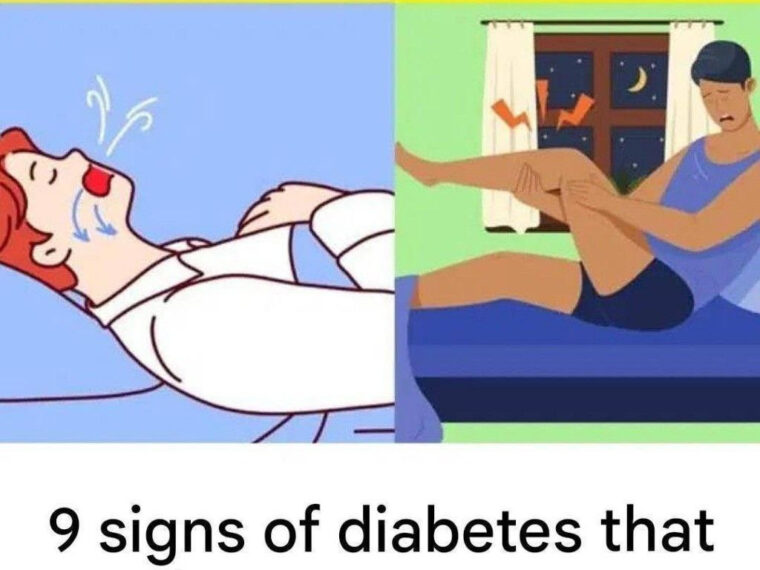
Diabetes is a condition that affects millions of people worldwide, and many of its early symptoms can show up at night. Recognizing these signs is crucial because catching diabetes early allows for better management and can prevent serious complications. If you notice unusual patterns during your sleep or nighttime habits, it could be a warning signal. Here are nine signs of diabetes that often appear at night and why they happen.
1. Waking Up Frequently to Urinate (Nocturia)
One of the most common nighttime symptoms of diabetes is frequent urination. Waking up two or more times per night to pee can indicate that your blood sugar is too high.
High blood sugar pulls fluid from your body’s tissues into the bloodstream. Your kidneys then work overtime to filter the excess glucose, which leads to increased urine production.
Key Points:
- Common in both type 1 and type 2 diabetes
- Not a normal occurrence after age 60 if it happens nightly
- Often the first sign people notice because it disrupts sleep
2. Extreme Thirst at Night (Nocturnal Polydipsia)
Frequent urination at night can cause dehydration, which triggers intense thirst. Waking up with a dry mouth or feeling an urgent need for water is your body’s way of compensating for the fluid loss.
This creates a cycle: pee → drink → pee again, which can make sleep restless and fragmented.
Tip: If you experience extreme thirst along with frequent urination, it’s important to check your blood sugar.
3. Night Sweats
Sudden sweating at night may be linked to hypoglycemia, which is low blood sugar during sleep. People with diabetes, especially those taking insulin or certain medications, can experience night sweats as their blood sugar drops too low.
Key Points:
- Night sweats may wake you up drenched
- Often accompanied by shaking, headache, or a rapid heartbeat
- Can be prevented by adjusting medication or having a small snack before bed (consult your doctor first)
4. Leg Cramps During Sleep
Leg cramps are common in people with diabetes due to nerve damage or poor circulation (diabetic neuropathy).
Muscle cramps at night may occur because high blood sugar affects nerves and blood vessels, leading to muscle discomfort.
Tip: Stretch your legs before bed and maintain a healthy blood sugar level to reduce the risk of cramps.
5. Restless Legs Syndrome (RLS)
RLS is a condition where your legs feel uncomfortable or “creepy” at night, causing an urge to move them. Diabetes can increase the risk of developing RLS due to nerve damage or circulation issues.
Signs:
- Tingling, burning, or aching sensations in the legs
- Worsens during rest or at night
- Movement temporarily relieves the discomfort
6. Insomnia or Trouble Sleeping
High blood sugar can affect sleep quality, making it difficult to fall asleep or stay asleep.
Reasons include:
- Frequent urination disrupting sleep
- Nighttime thirst or dry mouth
- Blood sugar fluctuations causing discomfort or restlessness
Poor sleep further affects insulin sensitivity, creating a cycle that can worsen diabetes control.
7. Bedwetting or Accidental Urination
In some cases, adults with undiagnosed diabetes may experience bedwetting. This is often due to excessive glucose in the blood causing an overflow of urine during sleep.
While this is more common in children, adults with sudden onset bedwetting should consider diabetes screening.
8. Unexplained Nighttime Hunger
If your blood sugar drops suddenly during sleep, your body may trigger hunger signals. This is a response to low glucose levels, especially in people taking diabetes medication or insulin.
Tip: Having a balanced evening snack with protein and complex carbs may help prevent nighttime dips in blood sugar.
9. Headaches or Fatigue Upon Waking
La page suivante